
AECC Disaster Response
Be Ready to Serve
When disaster strikes, effective response begins with preparation. AECC Disaster Response training equips volunteers with practical skills to serve survivors safely, effectively, and compassionately. Whether assessing a damaged site, responding to a medical emergency, or supporting someone experiencing the emotional effects of disaster, trained volunteers are better prepared to recognize needs, protect others, and provide meaningful help.
Courses are open to adults age 18 and older unless otherwise noted. Individual courses may have additional requirements.
Disaster Response Training
Site Assessment Course
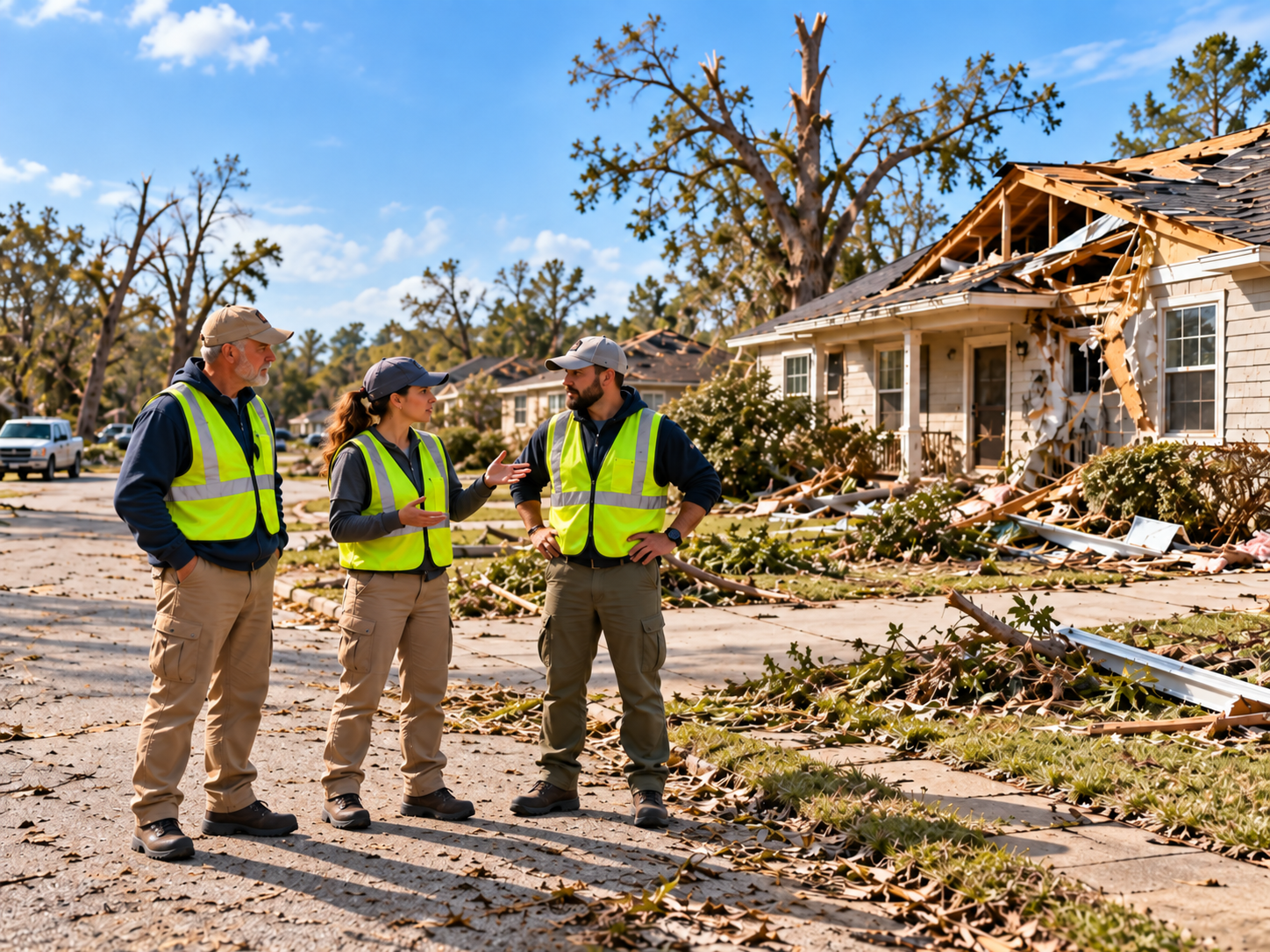
A safe and effective disaster response begins with understanding the site. This course prepares volunteers to evaluate conditions following a disaster, identify potential hazards, determine safe access, recognize immediate priorities, and gather the information needed for an organized response.
Training combines classroom instruction with hands-on learning and emphasizes a fundamental principle of disaster response: do good while causing no further harm to survivors.
Volunteers who successfully complete the course will have the appropriate Site Assessment credential added to their volunteer and badge information.
Before attending
- Participants must be at least 18 years old.
- Complete and pass a Sterling Volunteers background check.
- Complete the GMC-approved MinistrySafe Sexual Abuse Awareness Training.
- Bring a valid state-issued photo ID for verification.
- Basic Disaster Response Team training is strongly recommended before this course.
The $25 registration fee includes the training book, snacks, and other course materials.
Course Details & Registration →American Red Cross Certification
CPR, AED & First Aid
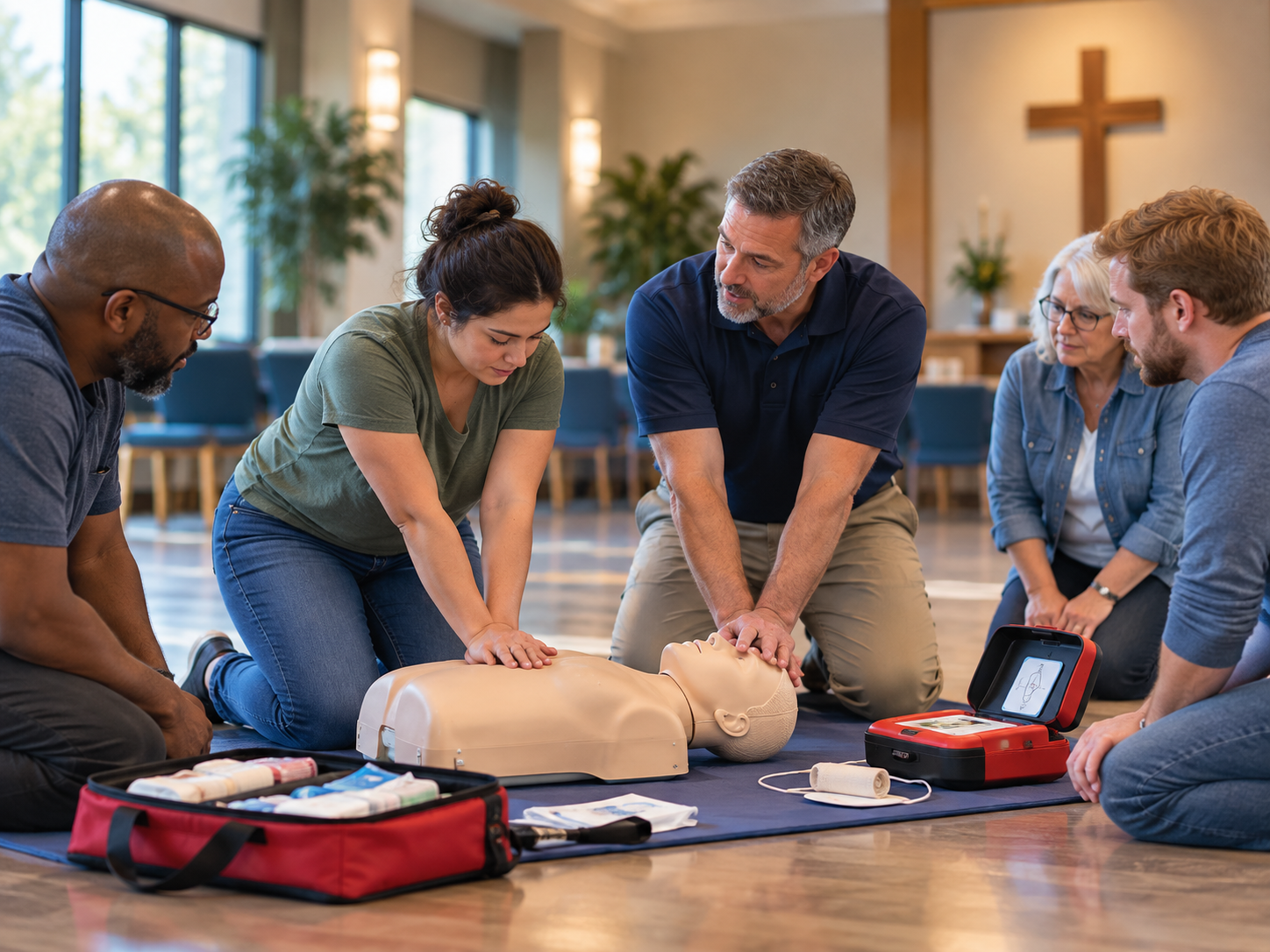
Disaster response can place volunteers in situations where immediate medical assistance is needed before professional help arrives. This course provides practical, hands-on training in CPR, use of an automated external defibrillator (AED), and first aid.
Participants learn how to recognize and respond to cardiac, breathing, and first-aid emergencies and practice the skills needed to respond with greater confidence and competence.
Successful completion leads to American Red Cross First Aid/CPR/AED certification. Red Cross certification includes hands-on skills practice and demonstration of proficiency and is generally valid for two years.
These skills are valuable in caring for disaster survivors as well as responding to medical emergencies involving fellow volunteers and others working at a disaster site.
Course Details & Registration →Disaster Response Training
Psychological First Aid in Disaster Response
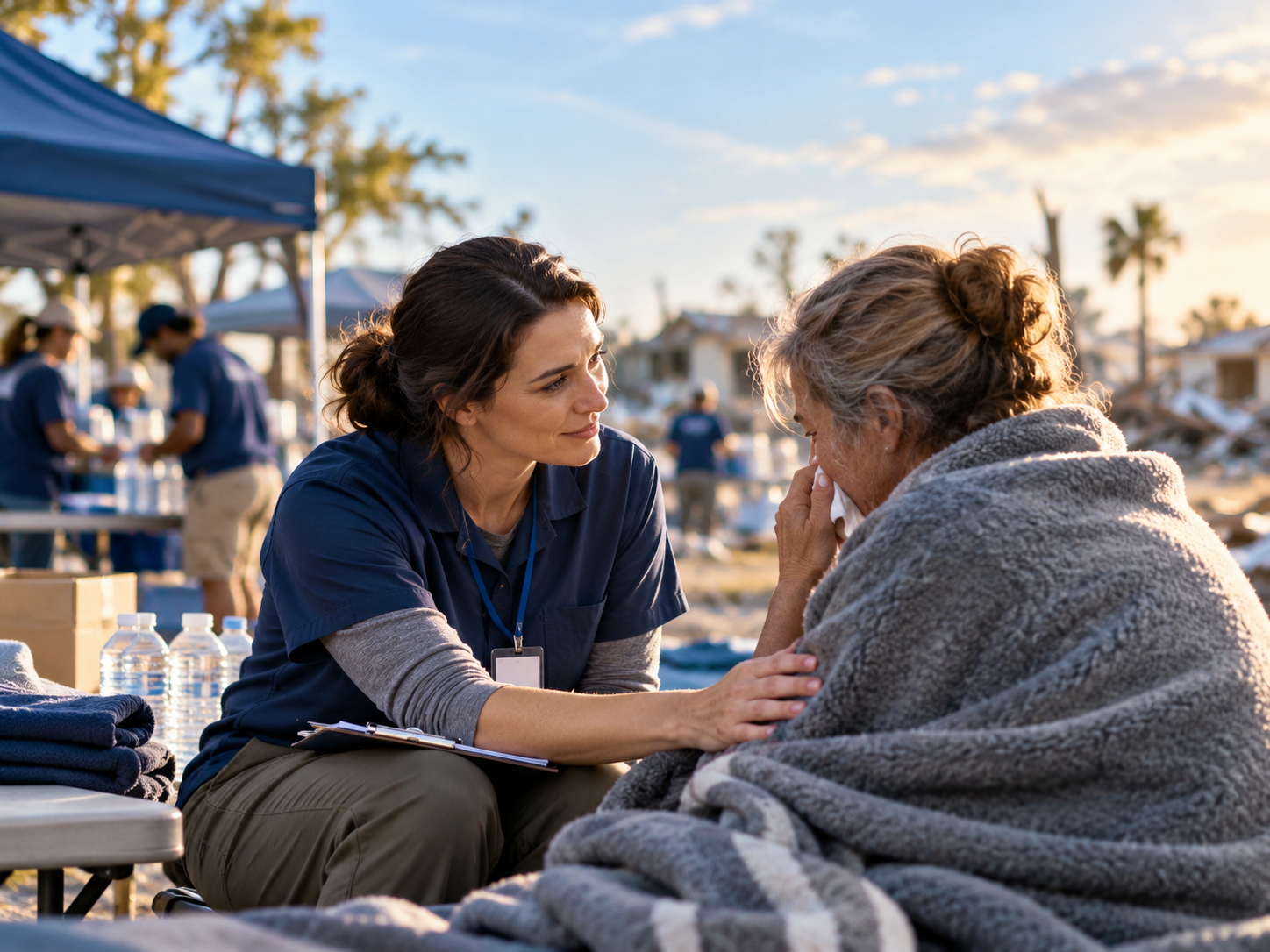
Disasters affect people emotionally as well as physically. This course prepares volunteers to recognize distress, provide appropriate psychological first aid, support resilience, and better understand the behavioral-health needs that can arise following a disaster or critical incident.
Training topics include
- Critical Incident Stress Management
- Psychological First Aid
- Behavioral Health Assessments
- Specialty Behavioral Health Intervention
- Responder Education Services
- Team Development and Consultation Support
- Resilience Training
About the instructors
Training will be provided by the Emerald Coast Crisis Stress Team (ECCST), a volunteer team of first responders and clinical professionals trained in psychological first aid and Critical Incident Stress Management.
ECCST members have supported first responders and communities following hurricanes, active-shooter incidents, suicides and other critical events, and provided support to medical personnel during the COVID-19 pandemic.
Optional books — $25 each
- Psychological First Aid
- First Responder Suicide
- Pandemics and Protest
Prepared Volunteers Make a Difference
Disasters rarely provide advance notice. Training does. By preparing before the next emergency, volunteers are better equipped to enter difficult situations safely, recognize priorities, care for survivors, and work effectively alongside other response teams.
Visit AECC Disaster Response →